Eike Totter

Eike Totter

Organisation – People – Transformation

Coaching – Process guidance – Sparring – Facilitation

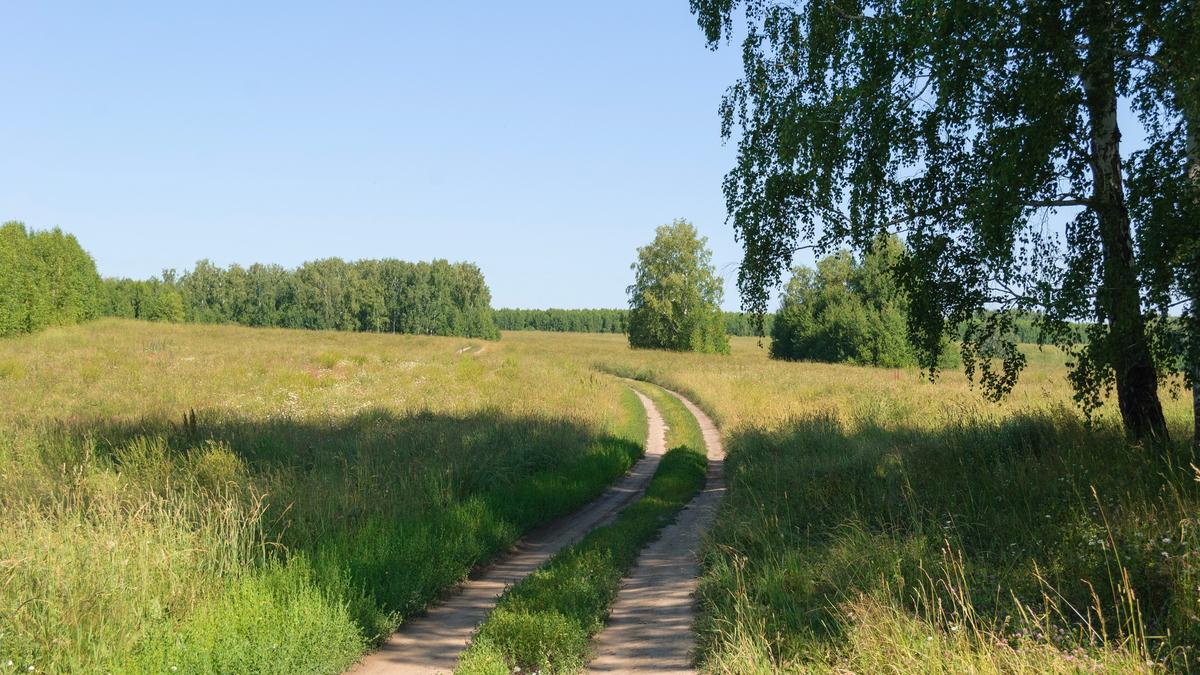
Open hill country with no marked path, the horizon in early light.

Organisational Development

Automation and machine learning reshaped work long before anyone put a chatbot in the office. What decides how that lands is not the technology but the organisation around it: whether people can look at the consequences squarely and still want to shape them. That takes a culture which attracts those people and keeps them. It also takes a clear view of the work that will still need a human, and people who know why that work is theirs.

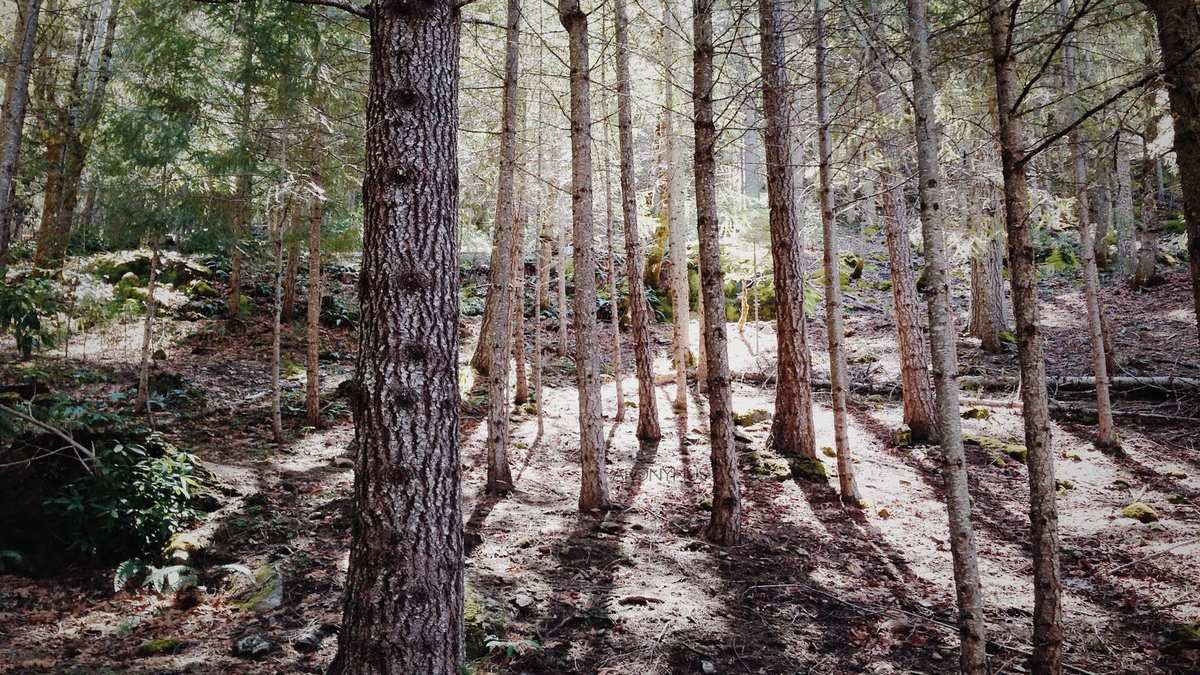
Light falling between tall trees in a forest.

Navigating without a map

Three decades of connecting industries that barely speak to one another: engineering and research, public administration, culture, start-ups, adult education. Classical methods where they hold, modern ones where they don’t. I put 3D CAD into an engineering curriculum in the nineties, and the software was the easy part. A sparring partner makes it possible to leave the comfort zone of the status quo without disappearing “out of the box”. Orientation in unfamiliar terrain, and new paths people enjoy walking, from where they stand, one step at a time.

Innovation needs the odd one out

The light bulb is not an improved candle. Organisations come through innovation pressure where being different has become a shared project rather than a tolerated deviation. People who deliver something outstanding go where they are respected on their bad days as well as their good ones, and pushed on both. Those are the only places they stay. A climate like that is what makes the disruptive step off the beaten track possible.

The brand is what gets lived

Products and services now get reinvented faster than the skills to make them can be named. Preparing for that takes more than knowledge. It is a matter of mindset, one that treats identity and brand as something you make today for tomorrow. Trust holds a brand together, and it has to be built deliberately and repeatedly. The outward story matters. The values people live by inside matter more, and anyone can tell within a week which of the two is real.

People Development

Knowing the product is no longer the same as being able to do the job. Deadlines get shorter, quality stays make-or-break, and much of the work now begins before anyone can say what “right” will look like. What carries people through that is not more industry knowledge. It is the nerve to work without certainty, and the ability to lead oneself and others while that uncertainty lasts. That can be learned. It is rarely taught.

A single tree in a wide field under an overcast sky.

Talent management

Hiring for an exact profile assumes the job will hold still. It won’t. Look instead for the capacity to learn fast in directions already visible, and for the habit of making room for other people’s ideas. Falling down and getting back up is part of how the work gets done. Those are the “soft skills” the phrase undersells: they are what is left when the machines have taken the rest. They are also what a team runs on when the conditions get hard and the work has to be done together.

Diversity

If everyone in the room thinks alike, nothing new can appear. Diversity only counts when it is sought out. An unfamiliar approach, or an argument from an unexpected angle, is a difference that makes a difference. Getting there means finding what motivates each person, practising the habits that follow, and training people to shut down bullying and exclusion while they happen rather than afterwards. Nobody does their best work while playing a part other people expect. The useful question is where prejudice quietly paralyses performance. And where that paralysis can be interrupted.

Ready for what’s coming

Most of the talent an organisation needs is already inside it, unlisted and unused. I keep finding capability where nobody has thought to look, the person holding it included. Naming it is half the work. The other half is recruiting: routines built for existing jobs will not find people drawn to tasks nobody has described yet. What matters then is keeping the ones whose abilities cannot be automated and who meet what is coming with curiosity. The number of other roles is shrinking, which makes this urgent.

Transformation

Permanent change has become one of the more reliable constants. Products arrive that had no name two years ago; others that worked for decades disappear from the market without a trace. And the pressure to keep innovating produces exactly the anxiety that stops innovation from happening.

Change work, strategic or acute, mostly starts with an inventory: which capabilities and which experience are already available in the building, what is genuinely working and can carry the rest, and which critical habits have to be changed so that the difficult thing becomes the easy one.

A track running out across open country.

Orientation

Change costs effort and it costs certainty. Habits that took years to build have to be unlearned, and awkward new ones practised in public. It stops being a burden only when the people in the middle of it are consulted and enabled to steer. They are the ones who know where the process will snag. The rest is unglamorous: transparency about goals and steps, and progress marked out loud, including the interim kind nobody thinks to celebrate. Once failure counts as part of the method instead of a disciplinary matter, support stops having to be manufactured.

Pulling in the same direction

Interdisciplinary work fails on translation more often than on technique. I interpret between three spoken languages and their communication codes, between professional cultures that use one word for different things, and across the status gaps that decide who gets heard. The aim is not a compromise everyone can just about live with. It is the point where contradiction creates stability instead of exhaustion, and where a goal is stated in terms that complement someone else’s. AI systems can already draft, summarise and predict. Deciding what a change is for, and getting people to carry it, remain human work. Teams can be equipped for it.

Coaching

A systemic coach is trained to ask one question above all: why does this carry on working the way it does? An unsatisfying status quo is almost never an accident. It is held in place by a purpose that once made sense, and often still does. Colleagues come to me when a situation stops making sense. They get their bearings back fast. The work is to keep that purpose, drop the constraints that came with it, set goals somebody can check, and take steps small enough that people actually take them. Nothing worth keeping has to be given up for that.

Background

Whatever the task, whether as a freelancer or as an employee, I’ll bring the whole package.

Diploma in organisational sociology, with occupational psychology and intercultural business studies alongside it. Systemic coach; trainer in intercultural work, inclusion and diversity; AI Officer, certified by TÜV Rheinland; Change Manager (IHK); Scrum Master (PSM I); plus a long string of qualifications that make little sense until you see them working as one. Little that is human is alien to me. I’ve been, among other things, an organisational consultant, an engineer, an event manager, a diversity trainer, a change manager, a pioneer in education, a research assistant, a policy adviser, a funding programme coordinator and a future skills coach. I’ll find common ground with almost anyone, and I have a few stories that will surprise you.

I designed my first leadership programme in the mid-nineties. Since then: transformation processes, education programmes, personal development and problems solved from angles nobody had expected. With people of every age and from professional cultures that barely overlap. Executives and vocational trainees, people with three degrees and people for whom the word “learning” has never once meant anything good. Coached, advised, trained. Regularly across Europe, in German, English and French, with wit, warmth and wisdom.

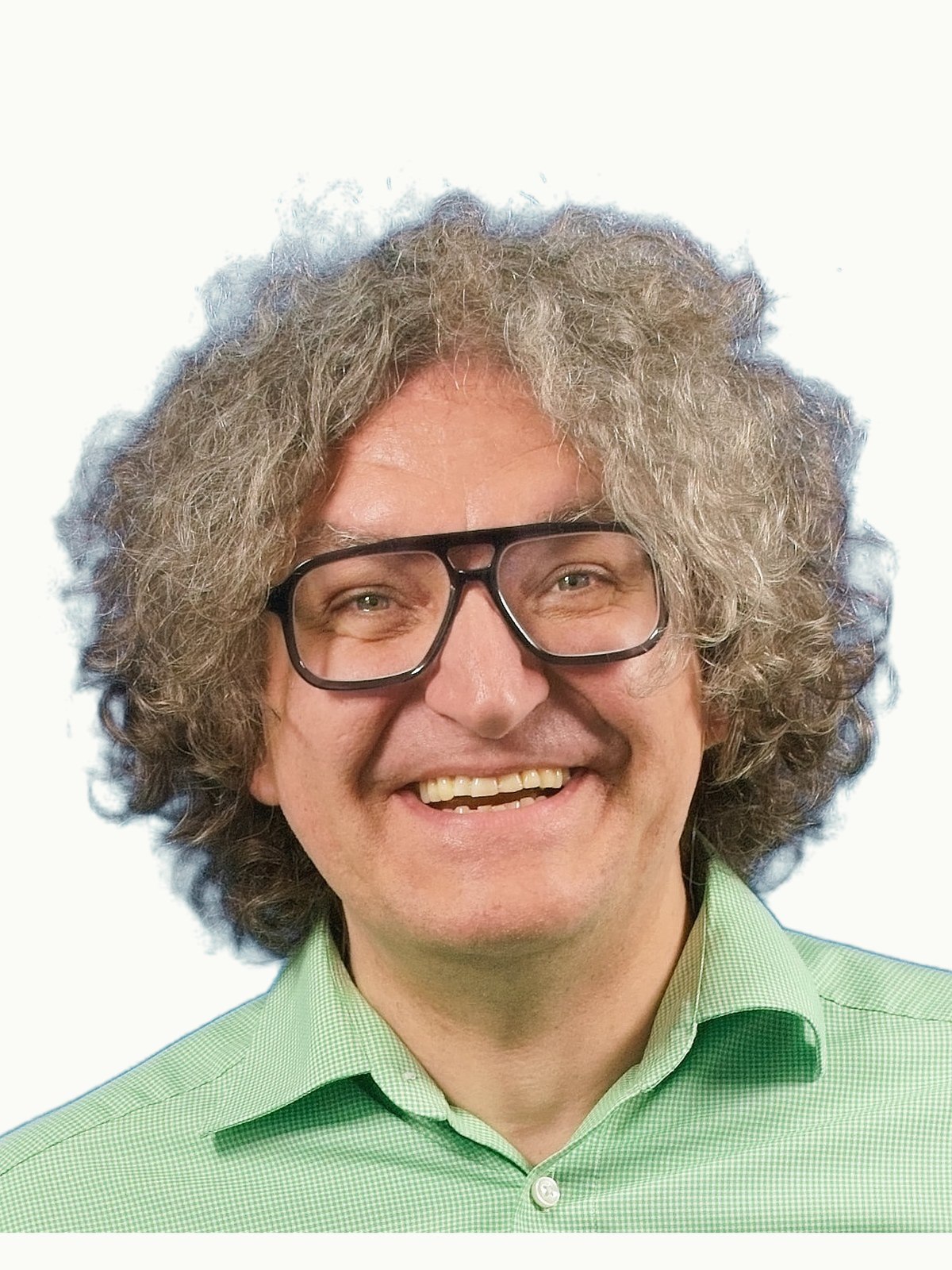
Portrait of Eike Totter. Thick, curly hair, iconic glasses, direct gaze, light background.

How I Work

My experience and a large stock of methods are worth something. The result turns on attention to the particular case: every challenge is different, because the people in it make up a set of conditions that has never existed in that combination before.

So my work starts with listening, and with questions. Even when a task rhymes with one solved before, the sensible answer is usually a different one. The people inside a situation already know where it sticks; what they tend to lack is someone who will push back hard enough to be useful, and stay on their side while doing it.

Next Role

A note on direction. This work has run in two modes: from outside, and from inside. Inside has meant, among other things, leading two national coordination offices at head-of-division level. I restructured the team there and moved its processes onto digital rails for hybrid work. I designed and launched a new national funding line. Earlier, in a university research setting, I was part of an EU-funded multinational public-private partnership on design strategy. Both modes work, but in different ways. An organisation that has built the capacity to change from within already has it when a market collapses, a regulation lands overnight, or a crisis arrives everywhere at once. One that has to go looking starts from behind. Which is why I am looking to build it from inside now, in a permanent role in the Rhine-Main region: Change Manager, Organisational Developer, AI Officer, Agile Coach or similar.

Community

The network for diversity-conscious learning is a pool of practitioners from very different professional backgrounds. I co-founded it to create a place where crossing disciplinary lines is the normal mode rather than an event: people from unrelated fields working out what “being different” opens up, and what it costs. The network also runs education projects built to order.

Network → DIVE (opens in new tab)

The Guild of Trainers is a Europe-wide association. As a founding member, I care most about the parts we professionals usually keep to ourselves: examining our own practice, comparing what works and taking apart the epic fails. I also worked on membership support, quality assurance and the development of knowledge, skills and attitudes. I represent the Guild in the European Commission’s Advisory Group for the European Training Strategy (ETS).

Guild of Trainers → IYWT (opens in new tab)

Everything a choir usually is not. With the Sangesfreunde Martinsviertel, the performance matters more than immaculate polyphonic singing. House rule: “If you can hear the person next to you, you’re not singing loudly enough!”

Anyone who has seen us live knows that an impressive result depends on attitude at least as much as on ability (useful too, obviously).

Sangesfreunde Martinsviertel → Louder than the folks next door (opens in new tab)